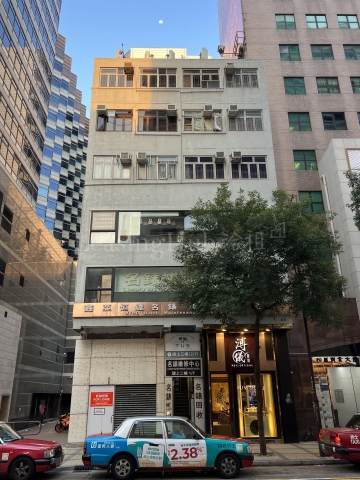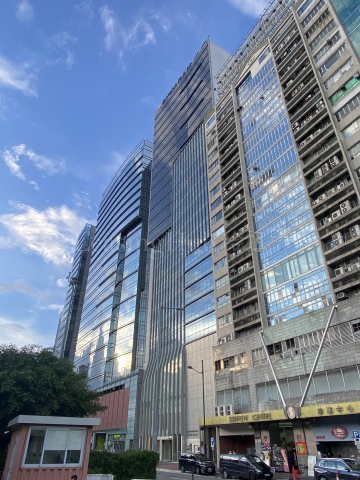
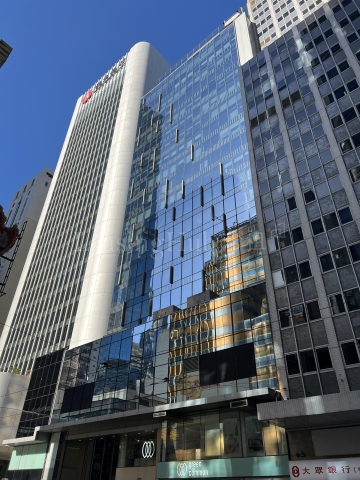
Nexxus Building brings in asset manager, lowers rents and subdivides space to retain tenants.
A two-speed recovery is emerging in Central’s top-tier offices, prompting landlords to adopt a more hands-on leasing approach, including hiring asset managers, as rental performance diverges.
While much attention has focused on firms taking advantage of lower rents to move back into Central, widening the gap with other districts, data from a property agency showed another divide was widening within the business district itself.
In the first quarter, vacancy in Central’s grade A offices eased to about 9.6 per cent, while rents at top-tier buildings such as The Henderson and the under-construction Central Yards rose about 12.1 per cent, driven by some landmark leases. However, rents rose by only about 1.4 per cent across the broader Central grade A market, highlighting landlords’ struggle to retain tenants and maintain pricing.
That divergence is evident at Nexxus Building , which is located close to Exchange Square and International Finance Centre , where large leases by global funds recently reinforced demand for top-tier space.
Despite a roster of established tenants including Emirates Airline, Rakuten Securities and the Financial Services Development Council, rents at Nexxus Building have come under pressure.
Its anchor tenant, the Hong Kong Bankers Club, secured a 27 per cent rent decrease for 2026 to 2029, to HK$1.28 million (US$160,000) a month from HK$1.75 million, according to Land Registry filings.
Rent for Fidelity Real Estate also declined, with part of its space later taken by Stoxx, a part of Deutsche Borse Group, in 2025.
The pattern points to falling rents and reduced footprints among traditional tenants, even in Central.
“We took over the management of the [Nexxus] building on January 1,” said Wilfred Ma, managing partner at Trivium Asset Management, which has moved quickly to reset the building’s positioning.
Entities linked to Taiwanese entrepreneur Steve Chang bought the tower in 2023 for HK$6.4 billion, which in turn brought in Trivium to turn around the building’s fortunes.
As a first step, Trivium has opted to lower entry barriers and reconfigure space. A full floor of about 9,970 sq ft has been subdivided into six units, ranging from 1,100 sq ft to 2,300 sq ft, with asking rents averaging HK$70 per square foot and monthly rents starting from about HK$82,000.
The rents at the nearby Man Yee Building were about HK$92 per square foot, while they were around HK$75 per square foot at Agricultural Bank of China Tower , according to another property agency.
Leasing activity suggests the repositioning is gaining traction. Two subdivided units were taken up within months. One of the units was leased by Anchorpoint Financial, which recently secured Hong Kong’s first stablecoin licence, according to Land Registry filings, highlighting demand from non-traditional financial tenants that would previously have been priced out of Central.
The shift also reflects a structural change in occupier demand. Companies are taking smaller spaces but still value proximity to Central’s financial ecosystem, particularly for networking.
That positioning is reinforced by existing tenants. The presence of the Hong Kong Bankers Club, a hub for the financial community, remains a draw for firms seeking connections within Central.
Still, Ma said rents in the building were expected to rise, although it could take time. “Once most premium office supply is absorbed, nearby buildings like ours will start to benefit,” he said.
Trivium, founded in 2022 and focused on Japanese hotels and serviced apartments, is applying a model common in Japan, where third-party operators or asset managers oversee strategy. Its 11 assets there are run by five operators, reflecting a reliance on specialised expertise.
The firm is bringing this approach to Hong Kong, and is already in talks with Central landlords, including family offices and new investors without in-house teams.
The shift reflects broader pressure on ageing assets. About 43 per cent of Central’s grade A office stock was over 30 years old, according to another property agency, pointing to growing demand for more active management.
“After undergoing changes over the past seven to eight years, Hong Kong’s commercial real estate sector has to adapt to some new ways of thinking,” Ma said.