Falling property values have forced some of Hong Kong’s wealthiest investors to part ways with prized assets
Hong Kong’s commercial market declines have left some of the city’s once-prosperous veteran investors struggling financially, with experts expecting distressed sales to continue amid plunging property valuations.
In April, receivers took over the luxury detached mansion in Pok Fu Lam where “Cassette King” David Chan Ping-chi and his family had lived since the 1980s, marketing it for HK$430 million (US$54.8 million) last week. Chan, who defaulted on a loan of about HK$350 million from Fubon Bank earlier this year, attempted to sell his house for the same amount last year to repay the debt but failed to find a buyer, property agents said.
The seasoned investor, who made his fortune in the manufacturing industry, had been an active property investor, with a wide portfolio spanning offices, luxury residential units, retail shops and parking spaces.
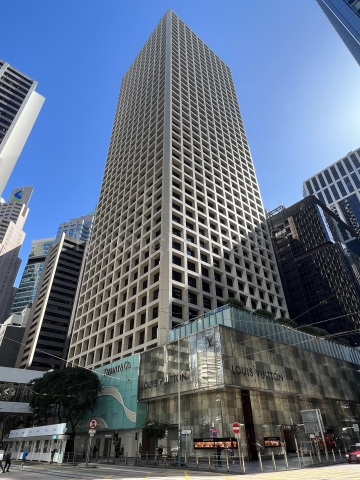
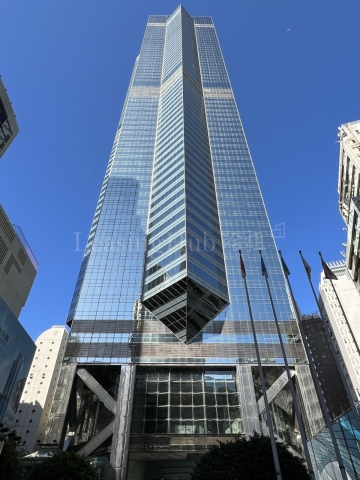
He was part of a consortium of 10 investors who bought 48 floors in The Center from CK Asset Holdings for HK$40.2 billion in 2018, making the skyscraper on Queen’s Road Central the world’s most expensive.
Chan, who owned seven office floors at The Center , sold the last two to Singapore’s DBS Group in September and November for an average price of HK$26,500 per square foot, an over 20 per cent discount to his acquiring costs, according to agents.
“Investments in retail and industrial properties are experiencing the largest losses, with capital values dropping by about 60 per cent,” Chan said in a phone interview last week. “The bigger the shops, the greater the losses. That makes it very difficult to sell these properties.”
“We’ve been offloading assets for the past four years to cash out HK$10 billion,” Chan said, adding that he planned to continue to sell assets to repay loans.
Chan’s neighbour at The Center , local property investment firm Gale Well Group, has also been divesting multiple assets at fire-sale prices.
Founder and vice-chairman Jacinto Tong Man-leung sold his penthouse in Tai Tam’s Hong Kong Parkview for HK$138 million in early April and parted with his long-time headquarters in The Sun’s Group Centre in Wan Chai for HK$79.79 million in February, according to Land Registry records.
According to calculations by the Post, Gale Well has sold retail, office and residential properties totalling about HK$744 million in recent months. Another HK$2.88 billion worth of assets has been listed for sale by the company, according to agents.
In a March interview with the Post, Tong said the company aimed to offload assets worth nearly HK$3 billion amid fears that banks could call in their loans owing to a downturn in the city’s real estate market. He said the firm planned to sell about 10 per cent of its property portfolio to balance its loan ratio and “put the bank’s mind at ease”.
“It’s just the tip of the iceberg; more overleveraged investors are facing bigger troubles amid a liquidity crunch, as interest rates remain high and property valuations decline faster than expected,” a property agent said. “Rental income is insufficient to cover interest payments.”
The agent added that the number of mortgages in possession was expected to increase this year, and the recent drop in the Hong Kong interbank offered rates (Hibor) was unlikely to alleviate their situations. “Banks will only elevate interest rates when borrowers are unable to service their loans.”
Interest rates in Hong Kong, which follow US policy moves, reached their highest levels since 2007 before the Federal Reserve began cutting rates last September. Rising rates had put many borrowers in distress.
A lower Hibor may boost investment sentiment among new buyers, but borrowers facing valuation dips may continue to sell, according to another property agent. The agent said that while commercial transactions were increasing in the second quarter, properties requiring large lump sums still struggled to find buyers.
Still, lower interest rates might reduce the number of distressed sales in the coming six months, according to another property agency. About 40 per cent of commercial transactions above HK$50 million last quarter were categorised as distressed sales, down from 49 per cent in the last three months of 2024, the real-estate agent said.
Banks have also become less proactive in repossession, as the collateral available for sale often fails to cover the loans because of the property market downturn, the agent added.
As the market continues to struggle, Chinese property investment tycoon Chen Hongtian said he was taking his time to sell his assets. His 9,212 sq ft house on The Peak, bought at a record price of HK$2.1 billion in 2016, has been listed for sale by receivers for HK$750 million since August, after he defaulted on a loan from Bank of East Asia.
“There’s no point in being proactive in selling; that only accelerates the realisation of losses,” he said.