The city's core retail areas, including Causeway Bay and Central, dominate the Asia-Pacific regional table, the property consultancy said
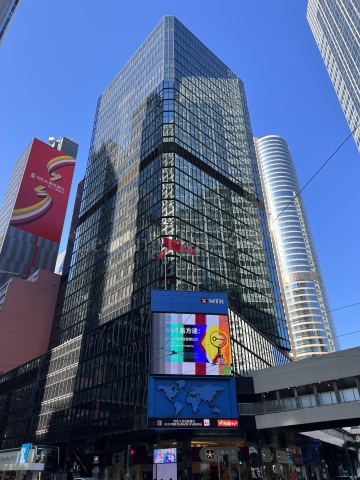
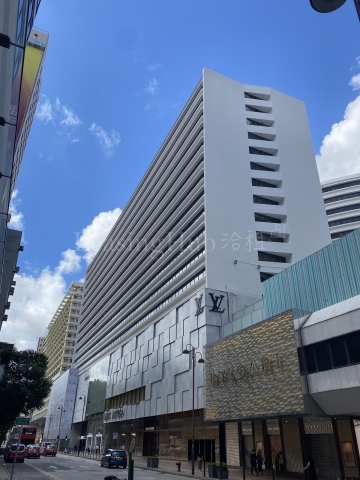
Hong Kong's Tsim Sha Tsui remained the world's fourth most expensive retail strip with rents at US$1,515 per square foot per year, as two other core shopping districts in the city – Causeway Bay and Central – also ranked among the Asia-Pacific's priciest shopping locations, according to the property consultancy.
London's New Bond Street jumped two spots from last year to emerge as the world's most expensive retail district, according to the real-estate services consultancy's retail market report. New Bond Street commanded rents of US$2,231 per square foot per year, a 22 per cent increase compared with last year.
Via Montenapoleone in Milan, which topped the table last year, slipped to second place with rents of US$2,179 per square foot per year, while Upper Fifth Avenue in New York also fell one place to third with rents of US$2,000 per square foot per year.
Tsim Sha Tsui, a haven for tourists that is also known as TST, last topped the global ranking in 2021, when it edged out Causeway Bay, widely considered the trendiest shopping district on Hong Kong Island.
The study was based on consultancy's proprietary data and focused on headline rents in 141 best-in-class urban locations across the world which, in many cases, were linked to the luxury sector, the consultancy said.
In the Asia-Pacific region, Tsim Sha Tsui commanded the highest rents, followed by Causeway Bay with US$1,374 per square foot per year, keeping their regional positions from last year.
Causeway Bay's rents exceeded the US$1,364 per square foot per year at Paris’ Avenue des Champs Elysees, which was in fifth place, but it was excluded from the global rankings, which listed only one location per city.
Central, meanwhile, retained seventh place in the regional table with rents at US$726 per square foot per year.
“We are pleased to see Hong Kong firmly maintaining its position as one of the world's premier retail destinations, with Tsim Sha Tsui once again topping the list as the most expensive retail destination in the [Asia-Pacific] region,” a property agent said.
“This reflects the steady growth in visitor arrivals to Hong Kong, coupled with the government's proactive efforts to promote tourism and a ‘mega-events economy’, which have supported more tourist spending and boosted leasing activity among retail brands in prime street locations.”
Retail sales in Hong Kong rebounded from May – following a 14-month decline – largely due to increased tourism and improved local consumption, according to government data. In September, total retail sales grew 5.9 per cent, according to the Census and Statistics Department. Visitor arrivals also surged, climbing 12 per cent year on year to about 41 million in the first 10 months of the year.
“We believe that in the short to medium term, in addition to sustained activity from domestic brands, the market will continue to see more leasing activity from retail brands across the [Asia-Pacific] region,” the agent said.
Globally, rents increased at an average of 4.2 per cent year on year, with 58 per cent of markets experiencing rental growth, according to the consultancy's report. The Americas led with a 7.9 per cent growth, driven by currency effects in South America.
Europe experienced a steady 4 per cent rise, with standout performances in Budapest and London. Rents in the Asia-Pacific region slowed to 2.1 per cent.
“Prime retail corridors are benefiting from a convergence of factors, including resilient economic growth, easing cost of living pressures, and a renewed appetite for discretionary spending,” another agent said.
“The continuing importance of physical retail – particularly for deep and meaningful brand engagement in places where consumers want to be – reinforces the enduring appeal of the world's premier shopping streets.”
This momentum was expected to strengthen as global conditions improved, the agent said.