Despite a 42 per cent slide over the past six years, prime office rents in Hong Kong remained the most expensive in the region
Tenants in Asia-Pacific’s commercial property market are likely to seek flexible office spaces and sign short-term leases, avoiding long-term commitments while waiting for the full impact of the US-China trade war to play out, according to the property agency.
The situation has forced office landlords to focus on retaining their existing customers at the expense of softer rents, the consultancy said. Rents on prime office space, which fell at a faster pace last quarter, may come under further pressure as the firm forecast region-wide supply to increase by 5.7 per cent this year to about 200 million square metres (2.15 billion sq ft).
US President Donald Trump imposed cumulative tariffs of 145 per cent on Chinese goods this month, starting off a trade war with its long-standing trade partners. China, which raised its tariffs on US goods to 125 per cent, now faces up to a 245 per cent levy on its exports to the US. Both sides are waiting on each other to negotiate, causing a stalemate.
“As Trump’s tariffs continue to evolve, the full economic impact of the new measures will take time to unfold,” the agent said in a report last week. “Forward-looking expectations will inevitably turn more cautious as a new modus operandi for the global economy emerges.”
As companies in the region reassess the tariffs and their impact on headcounts, Armstrong expects decision makers to delay significant real estate commitments.
“This trend is driving a stronger focus on lease renewals, particularly for those who have moved into higher-quality buildings in the past few years and prompting occupiers to explore flexible spaces and shorter lease terms,” the agent added.
Prime rents in the Asia-Pacific fell 0.9 per cent in the first quarter from the preceding quarter, after a 0.4 per cent drop in the final three months of 2024, the agency said in the report. Brisbane was the brightest spot, registering a 0.5 per cent gain.
Vacancy rates across the region remained largely stable, despite the addition of 1.3 million square metres of new supply last quarter. Tightening supply in India and Southeast Asia helped mitigate excesses in mainland Chinese cities, the report said. Phnom Penh had the highest vacancy rate at 26.4 per cent, followed by Shenzhen at 25.7 per cent.
Office landlords have been focusing on keeping occupancy levels up and retaining tenancies in the face of global economic uncertainty, according to an agent. As a trade-off, rents have weakened, the agent added.
“Against this volatile backdrop, landlords will be compelled to remain accommodative on rents to secure tenancies,” the agent said.
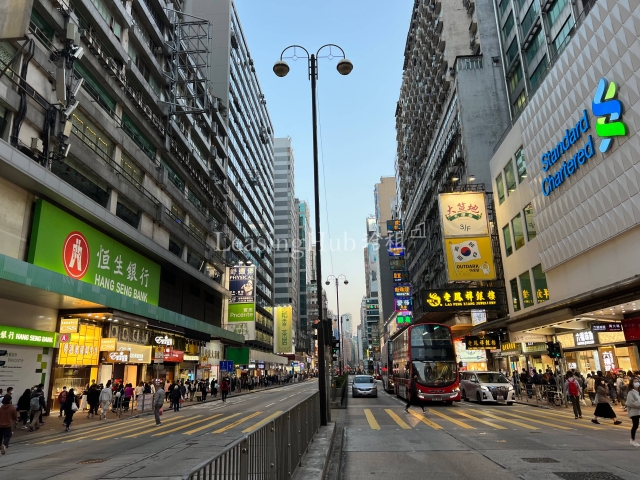
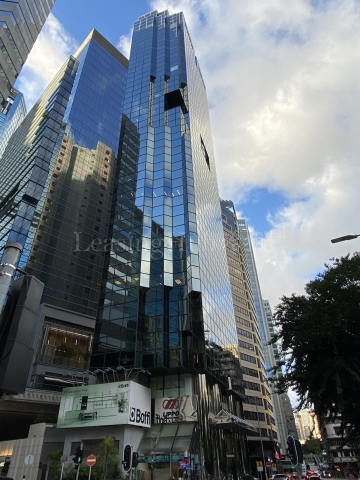
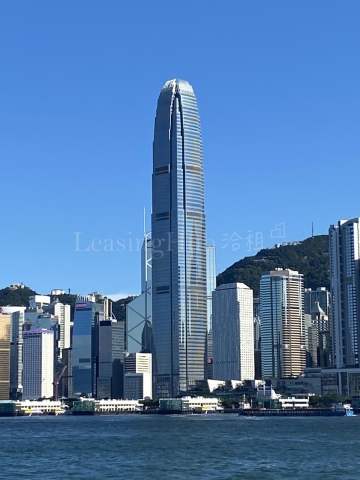
Despite the market’s sluggishness and a 42 per cent slump over the past six years, Hong Kong still ranked as the most expensive office market in the region last quarter. Average annual rent in the financial hub stood at US$127.30 per square foot, compared with US$120.90 in Singapore and US$90.90 in Sydney, the agency said.
Office rents in Hong Kong may slip further by 7 to 9 per cent this year, according to a forecast by another property consultancy.
While the ongoing trade war complicates long-term decision-making, the agency said India and emerging Southeast Asia would remain resilient given that the local markets are anchored by businesses with domestic focus. There were notable gains in Jakarta, Kuala Lumpur and Bangkok, signalling improving regional conditions, it added.
After sustained rental declines since mid-2023, Jakarta’s office market was poised for a significant turnaround this year, the agency said. The city recorded a 4.2 per cent gain in rents from the fourth quarter of 2024, the best among 23 cities tracked by the firm.
In India, tenants took up 1.7 million square metres of space last quarter, or a 94 per cent increase from a year earlier. Global capability centres, mostly in Bengaluru, drove 65 per cent of the leases.